
What We Have Lost
By David Town

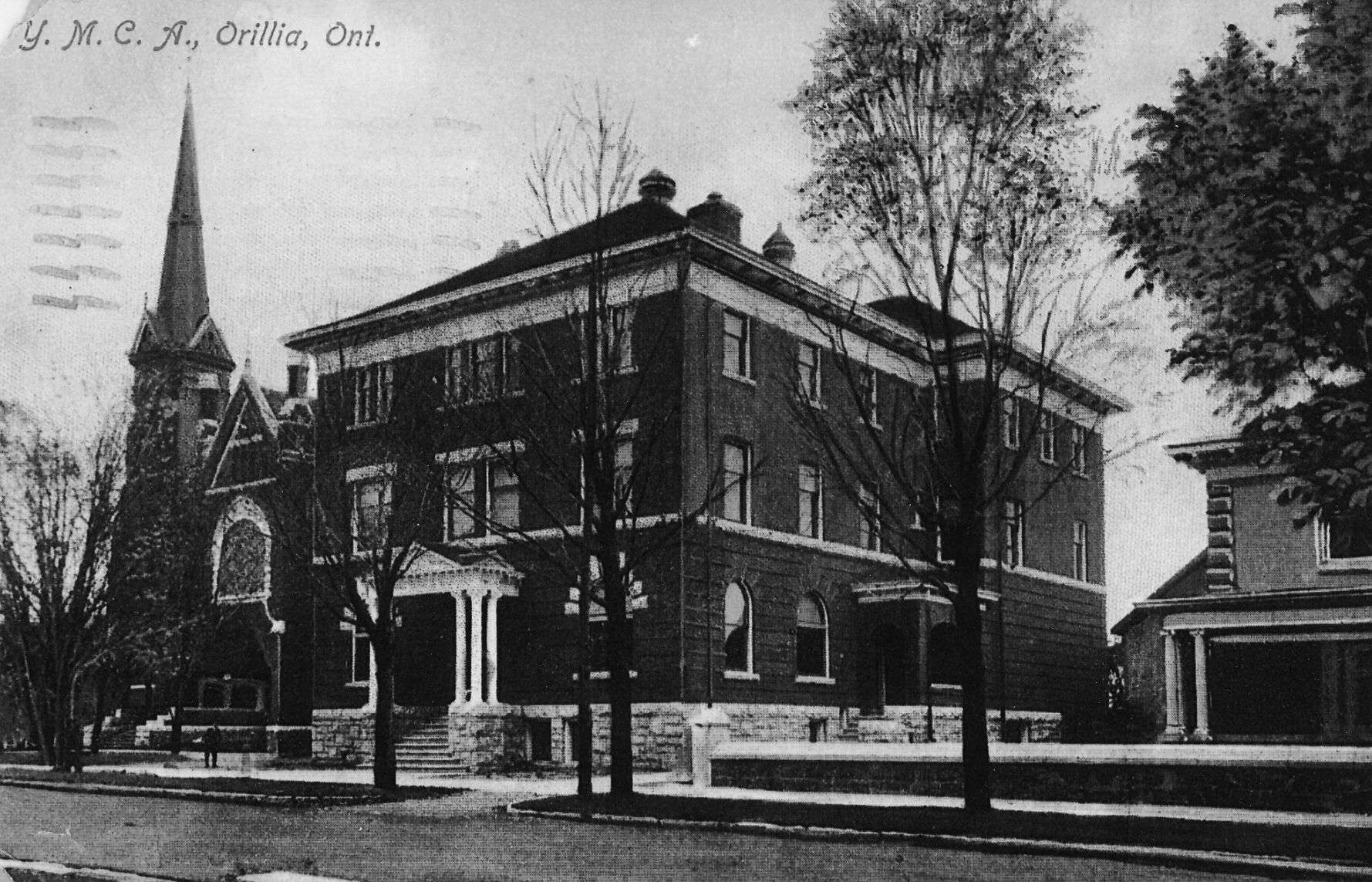
As we approach the one-year anniversary of the YMCA closing in Orillia, I think it is insightful to see what the Y did for Orillia from a historical perspective. You never know what you’ve lost ‘til it’s gone.
The Y in Orillia, as elsewhere, began as a social-service institution, aiming to help men to better lives. You probably don’t know it, but the first adult education classes in Orillia were provided by the Y in 1900 with its inaugural “arithmetic classes.” Soon it was music classes, carpentry, law, writing, even “sex hygiene,” and by 1920 YMCA classes in Orillia for WWI veterans in business, writing and French were accepted for high-school credit, and in a few cases university credit.
In 1905 the Y also started the Canadian Club series of current-events lectures for businessmen in Orillia, a club that ran for over 70 years, keeping the citizenry informed and sparking discussion.
The Y, of course, encouraged physical fitness as part of growth in “mind, body and spirit” (a term coined by the Y). In that role, basketball, volleyball, badminton and floor hockey (among others) were introduced to Orillia before World War I, and the science of training was taught by leaders who had graduated physical fitness schools. By the 1920s, leagues in at least 15 sports were organized where sportsmanship was encouraged ahead of winning. The Y was integral in the formulation of the sporting ethic in Orillia.
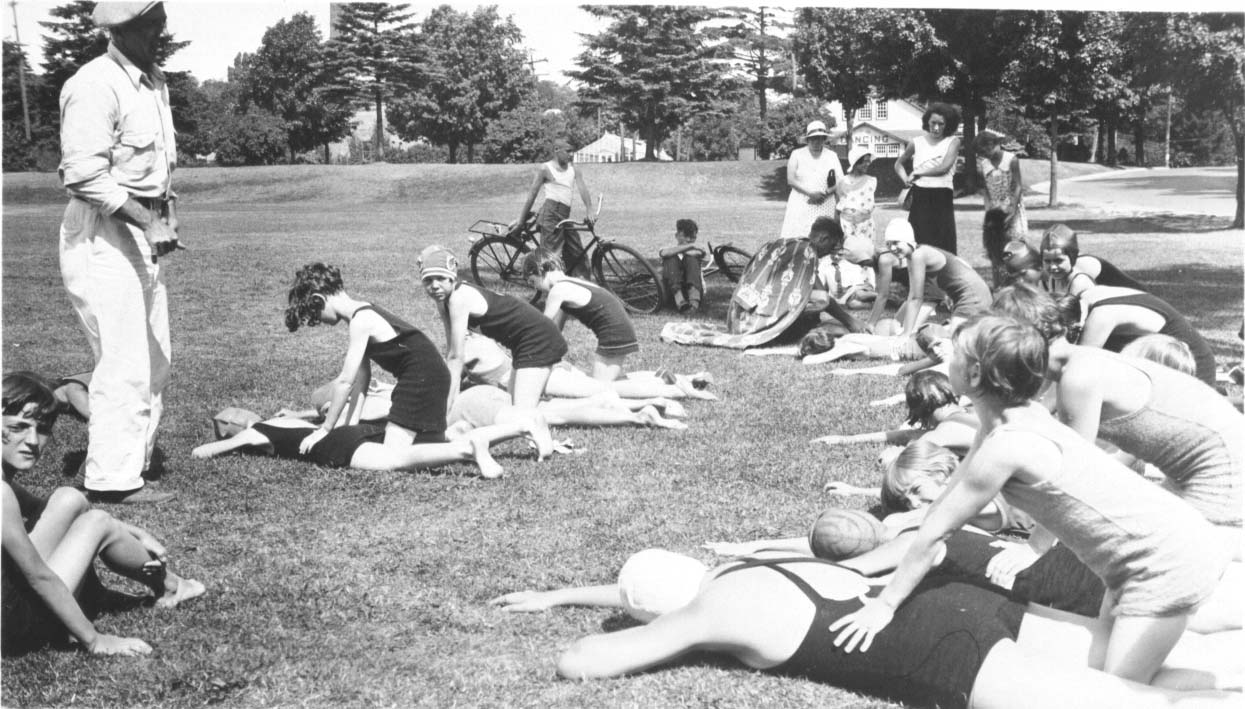
But just as important to the Y leaders were social programs: job training, first-aid classes (the Y was the pioneer here), a literary club, “life’s problems” classes and, of course, central to the Y’s mission in the early days, religious classes. The Y leaders were trained in social work and always had time to help people who needed guidance or counselling. The Y focussed on the individual and personal contact above all else. Skid Watson, the legendary Y leader from 1928 to 1969, was an exemplar of compassion and caring.
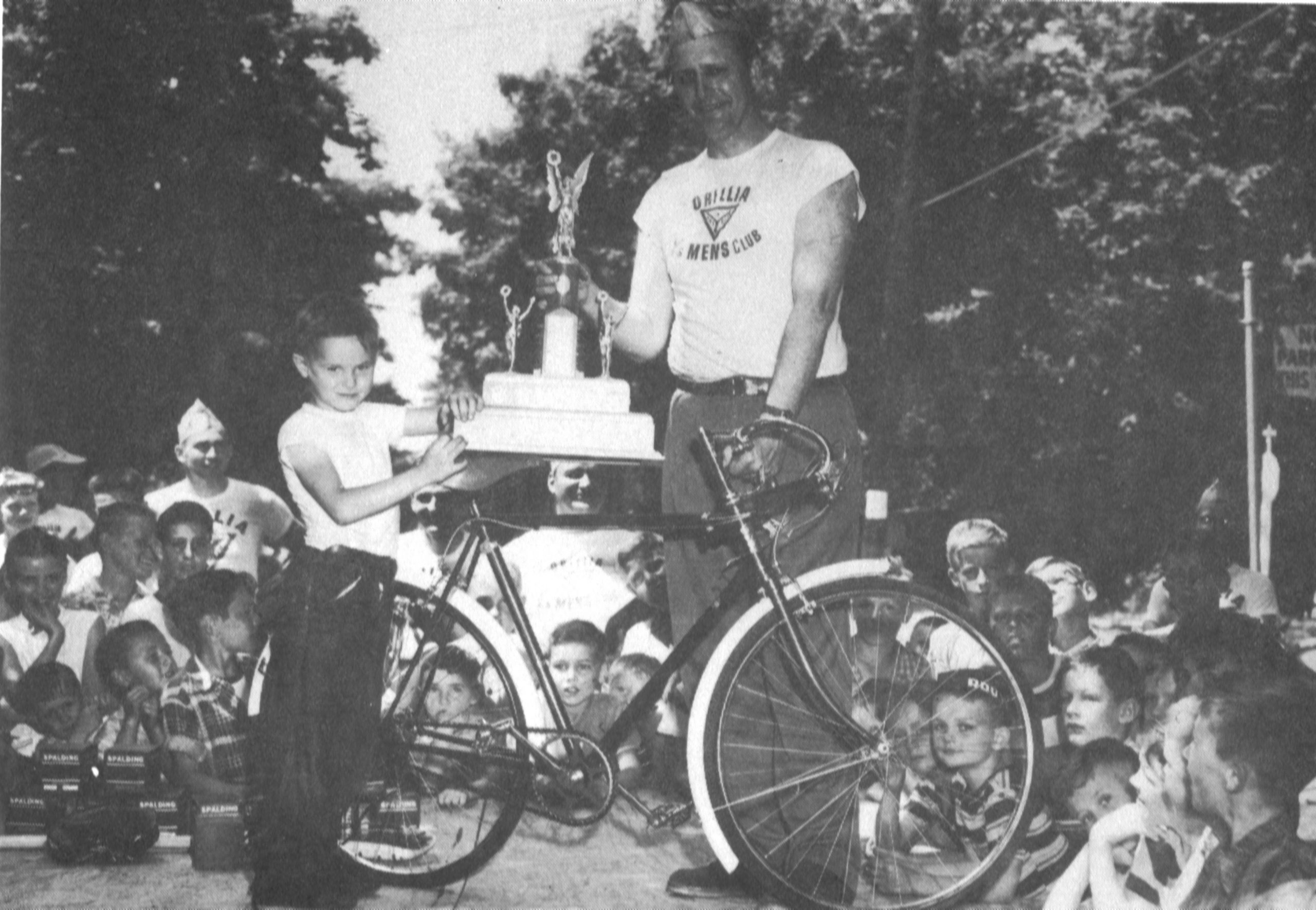
Integral to the social programs was the Y’s Men’s Club. After only twenty years of work the club was about the biggest in the world and was voted (at a national convention) the most effective Y service club in Canada. Among its myriad contributions to the community was the organization of Orillia’s only youth-hockey league for over 30 years.
In the Great Depression of the 1930s, the YMCA was the closest thing to a community centre this town has ever had. It’s multiple meeting rooms were available to any group that was working to improve life in Orillia. As many as 150 different community groups met at the Y each year – service clubs, sports clubs, youth groups, art, business and religious groups – most free of charge because they were helping Skid and the Y work towards a better Orillia. Skid’s “life classes” for the down and out were the most popular classes in town, picking up spirits, showing the way to services available and building morale. It became widely known to the men “riding the rods” across Canada looking for work that the Orillia Y would provide a shower, a warm, safe place to sleep and a friendly ear to the forgotten men.
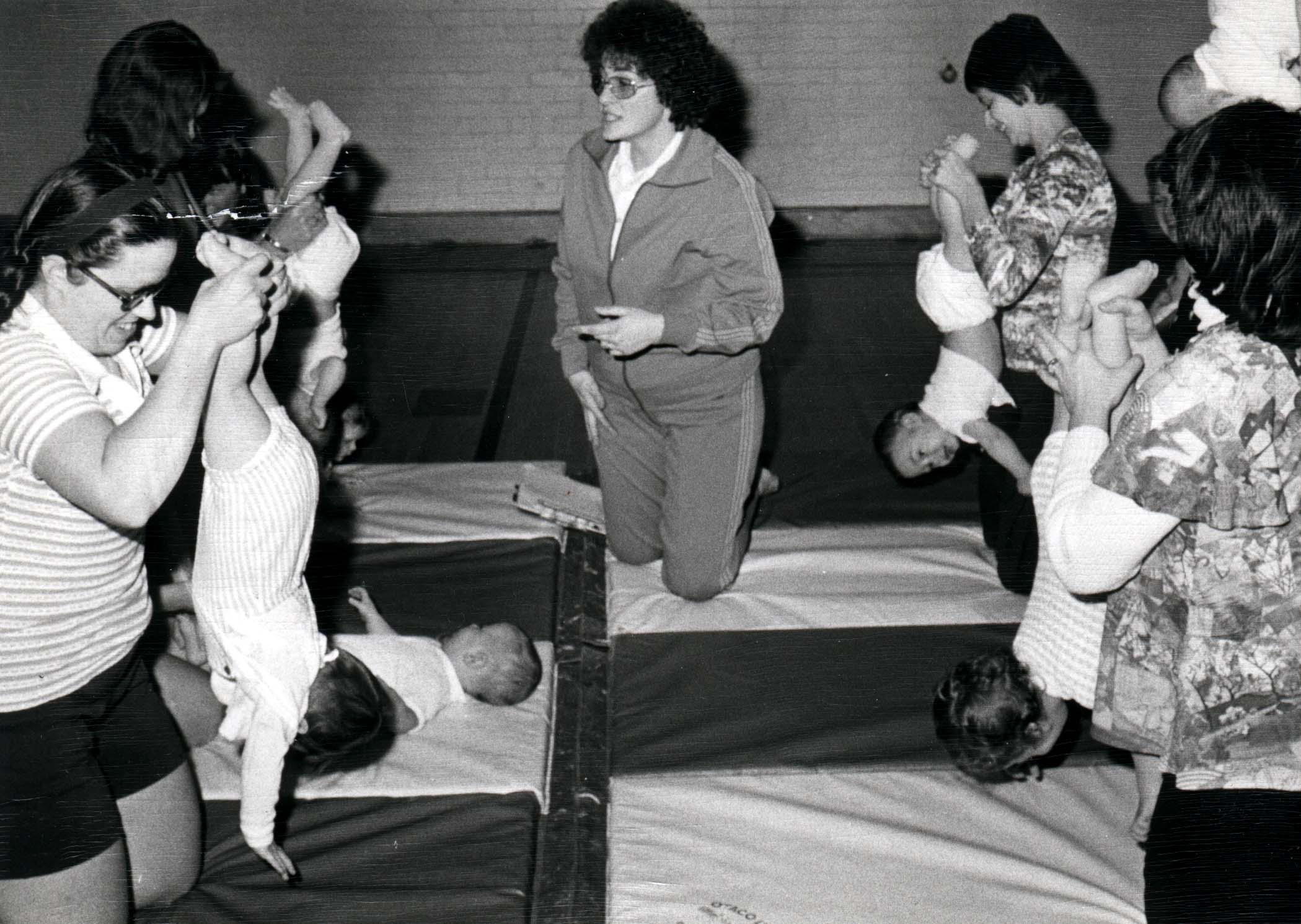
After World War II the Y started the first childcare program in Orillia so mothers could be freed to attend the “married women’s gym classes” knowing their youngsters were well cared for. The Y also gave free memberships and started special classes for British war brides and new immigrants fleeing war-torn Europe, helping them acclimatize to Canada.
Of course, the Y is most famous for introducing youth wilderness camping to Orillia. Camp Summerland, on the other side of the lake, grew from a rough camp with one tent in 1910 to one of the finest camps in Ontario by 1950, operating until 1989. As the campers learned orienteering, canoeing and life-saving skills they, more importantly, learned to grow independent away from their parents and how to get along with others. To Skid, this camp experience was the most important work he ever did.
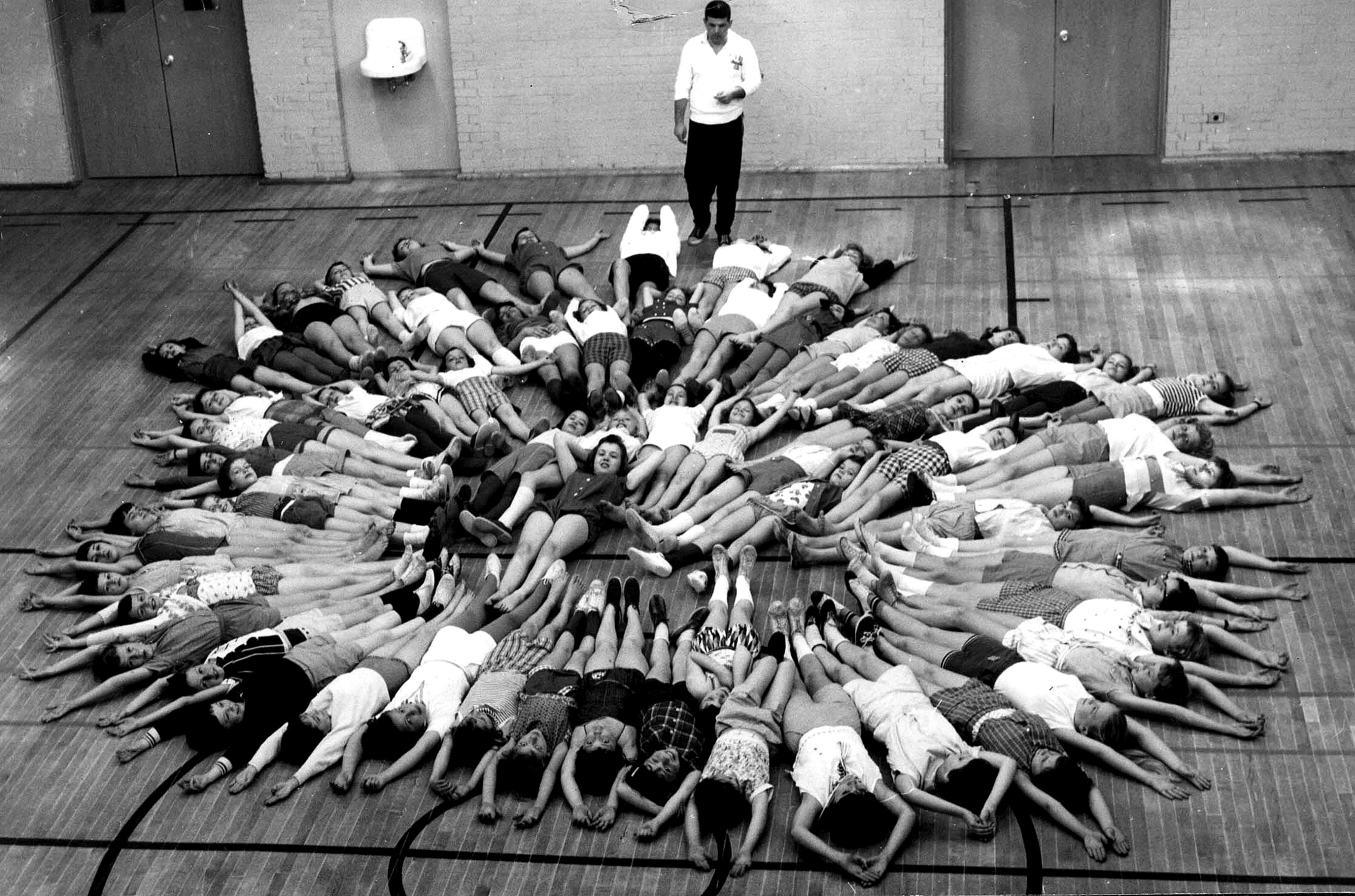
Even in more recent times, the Y was providing programs far beyond the fitness centre everyone thought the Y was all about. Youth at risk and youth-leadership courses were a core program at the Y. The Y had partnered with a Y in Sierra Leone, Africa, and created opportunities for young people to gain a life experience travelling there and to other international locations. The Y provided employment programs on how to navigate the job market and write resumes etc. The Orillia Y partnered with a half-way house in Orillia, assisting men who had run into problems with the law to re-integrate into society. The hospital was very happy to partner with the Y for rehab programs for people with chronic disease.
But the core mission of the Y continued to the end, the subsidized memberships that allowed the vulnerable, most-in-need members of society to access programs and facilities and opportunities to pick themselves up, whether by getting fit, volunteering, accessing education programs or simply feeling accepted and safe.
Orillia has not lost just a recreation centre. It has lost a social-service institution.
More News & Publications
EARLY EDUCATION IN ORILLIA
By Trish Crowe-Grande, OMAH History Committee Chair In December 2021, it was announced that Orillia would have a new elementary school in 2024 to address the quickly growing area of West Ridge. As Orillia’s population continues to grow, it is a good time to reflect...
Arthur Peuchen, Canadian Survivor of the Sinking of the Titanic
By Dave Osborne, OMAH member It was 110 years ago this April 15 that the Titanic infamously sank. One of the survivors of that night had ties to Orillia and Simcoe County. Major Arthur Godfrey Peuchen was one of the First-Class passengers on the Titanic...
Booze! Orillia’s Struggle with Drunkenness
by David Town What! No Beer?In 1908 a binding referendum in Orillia outlawed the sale of all alcohol. It was the culmination of a 50-year campaign to “civilize” the town and reduce the violence, crime and domestic hardship that followed drunkenness. For the next 40...
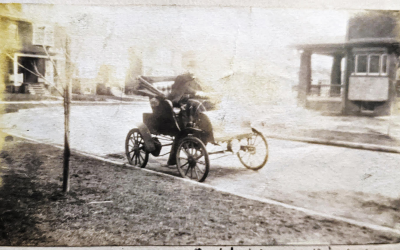
The Rev. Richard Greene’s Electric Car
By Fred Blair The Rev. Canon Richard W.E. Greene served in Orillia for twenty-three years. An inductee in the Orillia Hall of Fame, he made an indelible mark on our community, making it richer due to his passion and commitment. Rev. Greene retired from ministry at St....