
THE TAITS OF ORILLIA
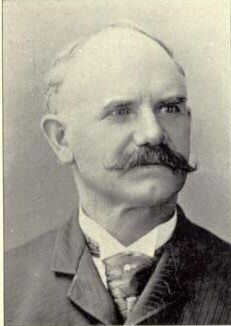
Andrew Tait, 1896. Photo from the Orillia Museum of Art & History Archives
By William Leslie, Guest Contributor
This is the story of the Tait family. William Tait, his wife, Mary and family left Scotland in 1848 for Canada, travelling from Liverpool to New York City, up the Hudson River and the Erie Canal. They finally crossed from Buffalo to Fort Erie, Upper Canada in 1860. Andrew Tait was 21 years old.
The Taits started a lumber business, in Fort Erie and Ridgeway. In 1863, Andrew Tait married Aurilla Howse, whose Loyalist family had a 200-acre land grant on the Niagara River. Andrew and Aurilla had three children, Albertha, Orland, and Alma Jane.
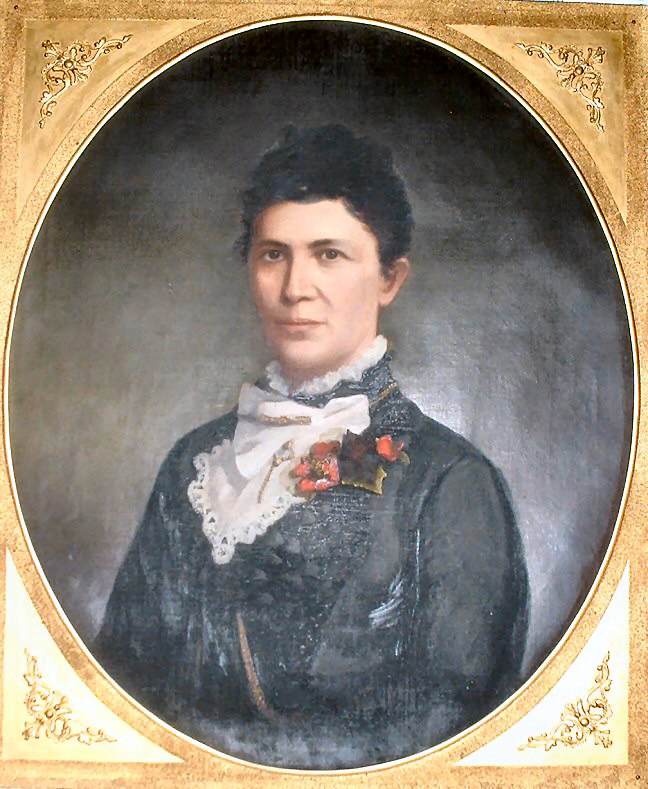
Portrait of Aurilla Tait. Photo from the Orillia Museum of Art & History Archives
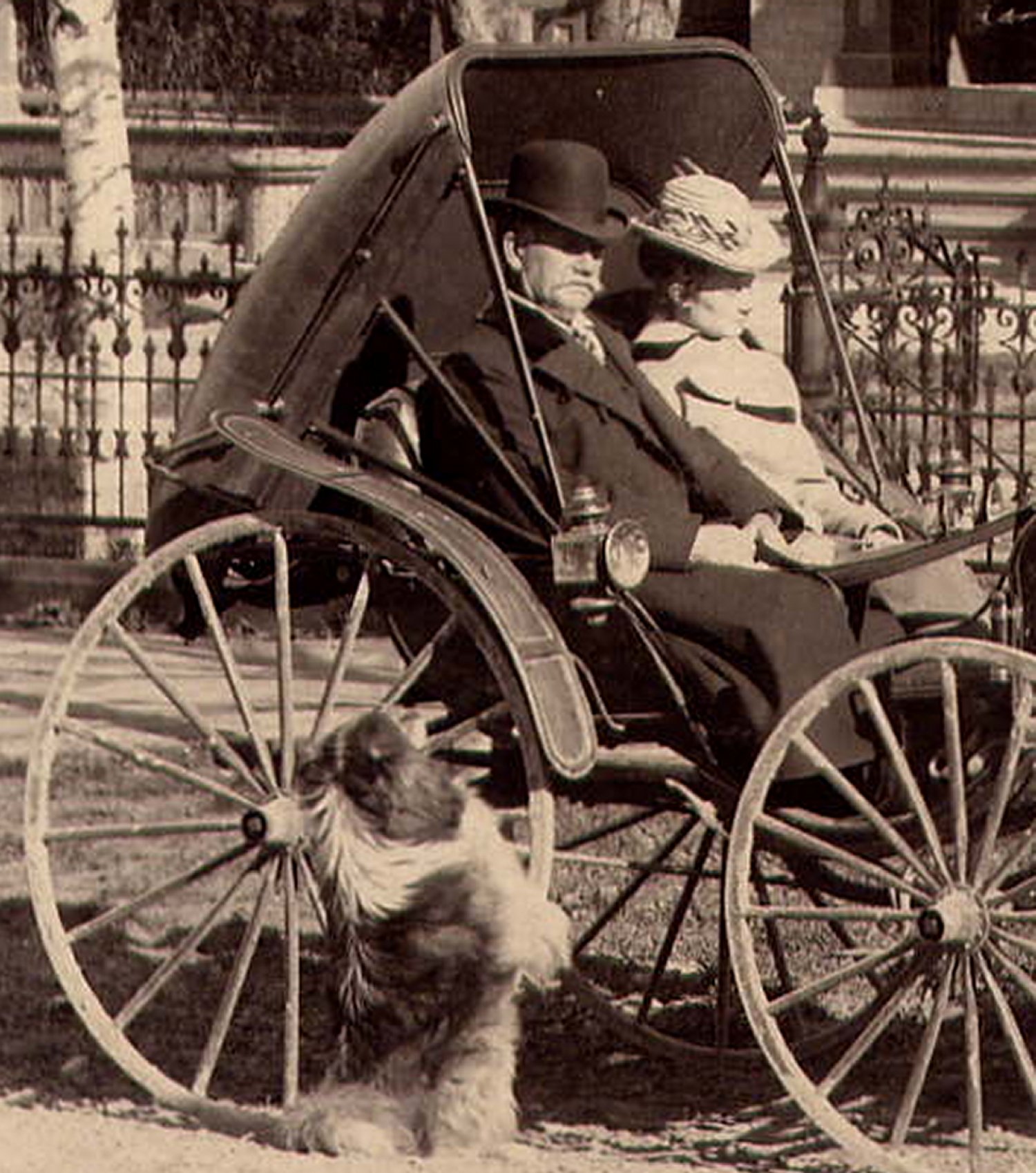
Andrew and Aurilla Tait at Glenorma Colborne Street, 1885. Photo from the Orillia Museum of Art & History Archives
In the year of Confederation, 1867, when Orillia was incorporated as a town, Andrew, Aurilla and their three children made Orillia their home. In 1871, two of their children died in the Orillia Diphtheria Epidemic. Their four other children were born in Orillia.
Andrew and Aurilla started with a hand-cranked shingle making machine in a shop on Andrew Street. Andrew cranked the machine and Aurilla tied the finished shingle bundles. They believed that this new town of Orillia was the place to make their way in the new country of Canada. Andrew was a pioneering and resourceful entrepreneur who built businesses, built houses and created hundreds of jobs in lumbering, quarrying, and building.
In 1934, at age 95, Tait was still building, buying, and selling and one way or another giving employment to a small army of men. He bought the land on Couchiching Point and Cedar Island and developed lots for holiday homes.
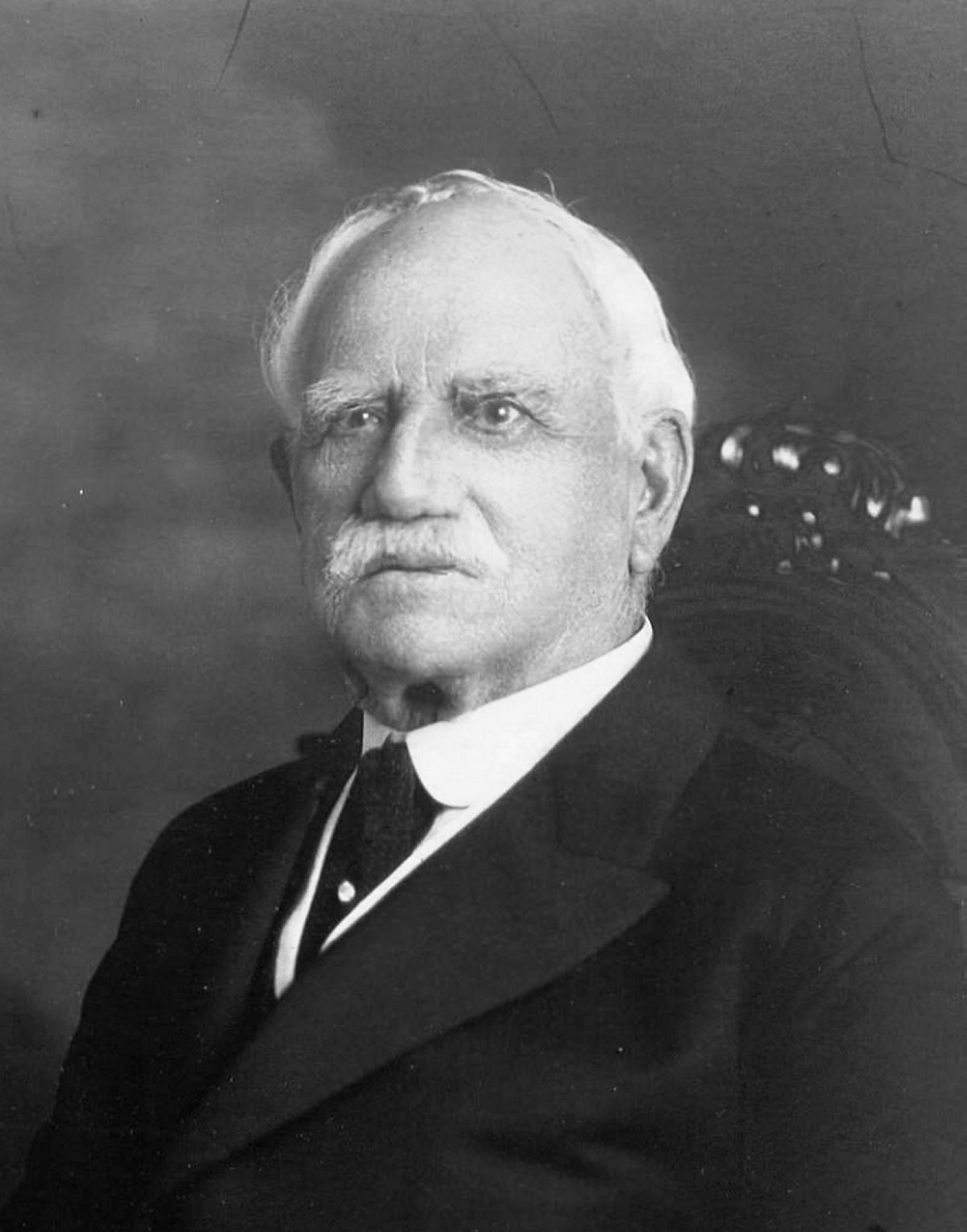
Andrew Tait on his 91st birthday, June 26, 1930. Photo from the Orillia Museum of Art & History Archives
The Orillia churches provided outlets for citizens to pursue their faiths, meet people, enjoy artistic presentations, fundraise for national and other causes, and assist one another. The Methodist Church presented plays to raise funds for soldiers in the South African War. Tait daughters, Alma and Clarisse, were musical and artistic and actively participated in these presentations.
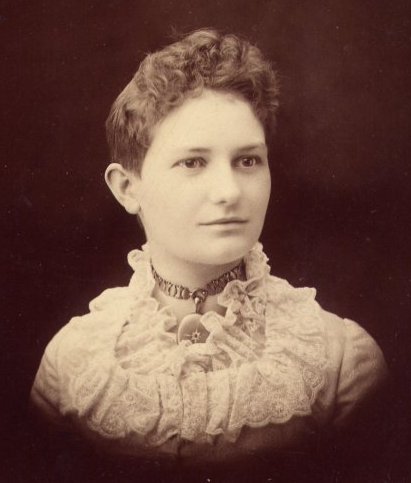
Alma (Tait) Wainwright, 1885. Photo from the Orillia Museum of Art & History Archives
In 1870, Andrew Tait was a major donor of funds to build the new St. Paul’s United Methodist Church. Alma Jane became the organist and a member of the choir and met Edward Wainwright the choirmaster. They were married in 1892.
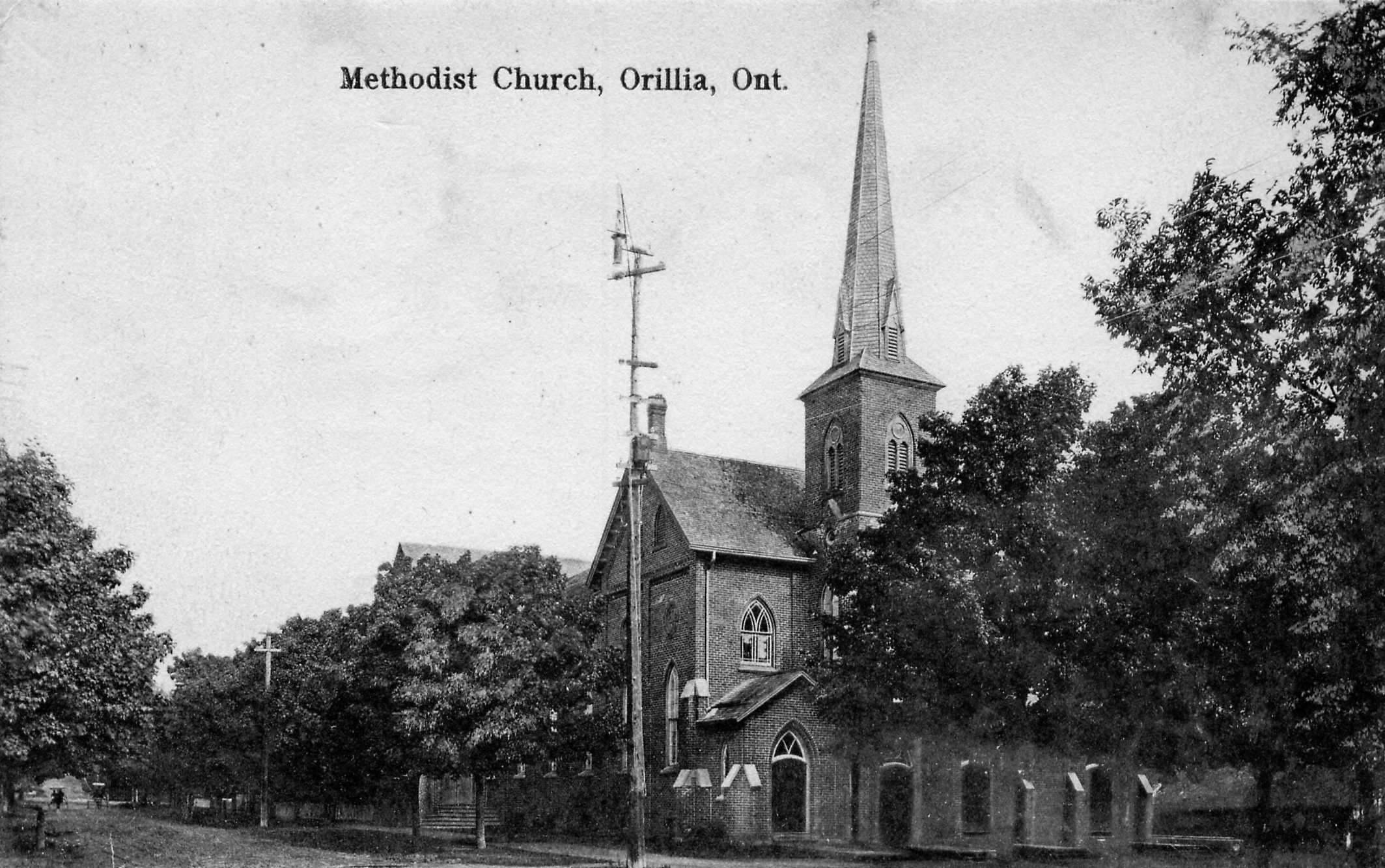
St. Paul’s United Methodist Church. Photo supplied by Marcel Rousseau
Clarisse married Sidney Carss, whose family had a store on Mississaga Street. Sidney joined the Tait Lumber Company and took it over when Andrew Tait moved to the Huntsville Lumber Company.
During the lumber boom in Orillia, the 29 bars gave the town a reputation as a “log and grog” town. It was a brawling rowdy place. Tait and other Methodists were active in the temperance movement and The Canada Temperance Act of 1878 resulted in the closing of all the bars.
In 1885, in his mansion Glenorma, Andrew Tait built a roller-skating rink on the top floor for his daughters to entertain their friends so that they would not go to dances in town.
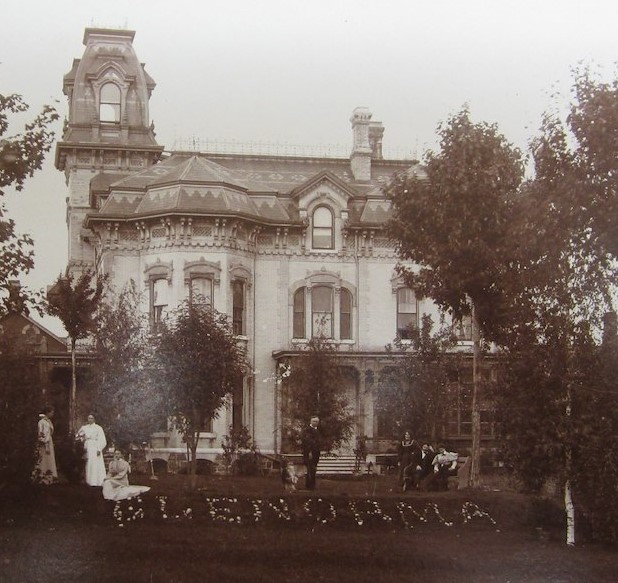
Glenorma. Photo from the Orillia Museum of Art & History Archives
About 1886, he bought a 75-foot steam yacht, Gypsy, and built a boat house where he and some friends formed the Orillia Yacht and Canoe Club. This Club provided opportunities for healthy competition and socializing. In 1900, Alberta, an expert canoeist, won a gold medal in Ladies Canoeing.
The Taits were pioneers who had a tremendous impact on the early foundations of Orillia and in many ways their legacy lives on today. In 1992, one of the Tait millworker’s houses that was built in 1889, located at 52 Scott Street, was registered as a designated property under the Ontario Heritage Act. The two-storey, red brick house was the only remaining example of a millworker’s house in its original condition on Scott Street.
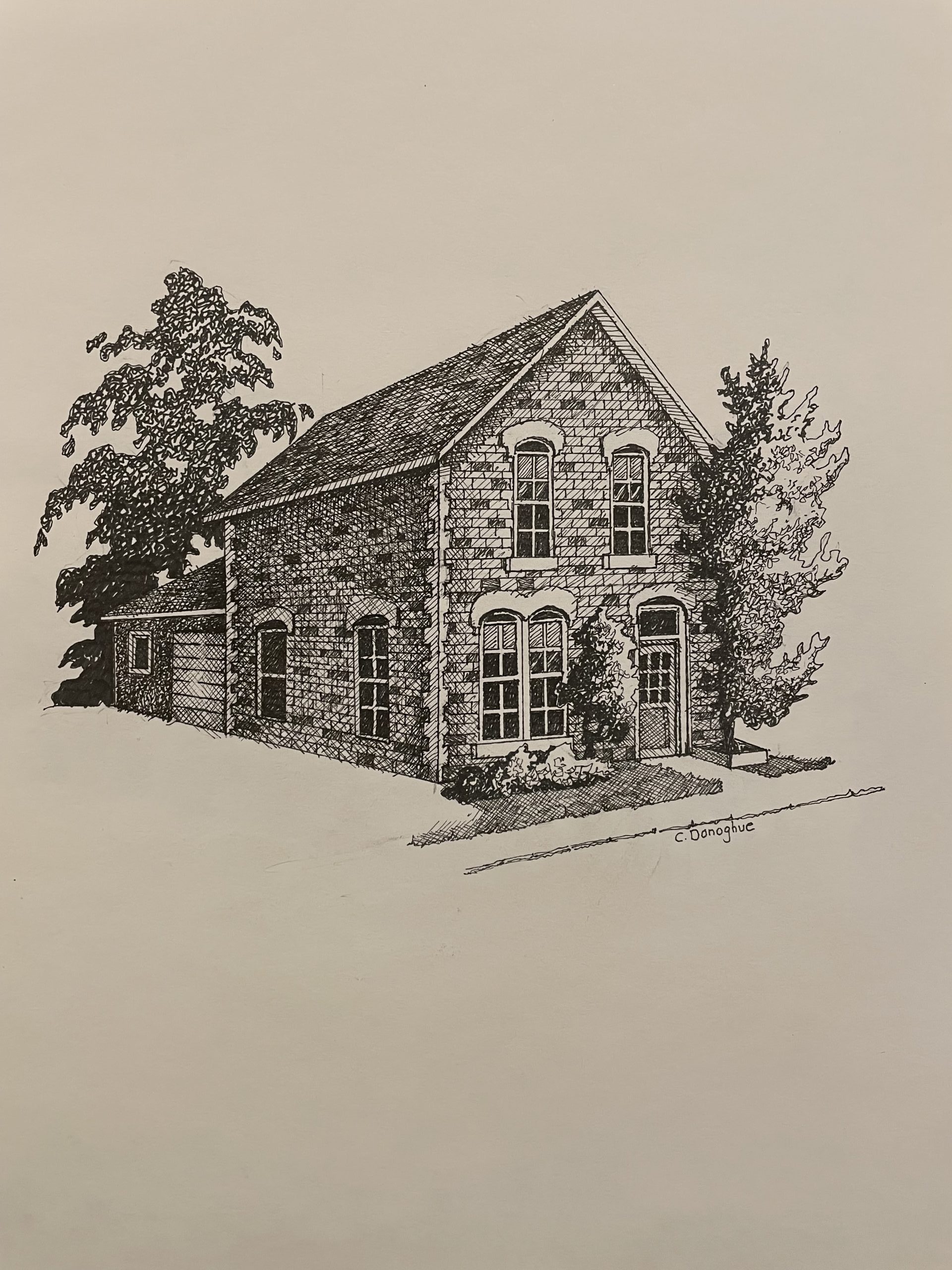
Sketch of 52 Scott Street. Artist Clayton Donoghue
We want to thank contributor William Leslie for his work researching and documenting our local history for future generations, including this story about the Taits. OMAH is proud to have a number of Tait artifacts in the collection and share them with you at this time.
These artifacts can be viewed at the OMAH exhibit GREAT TAIT: The True Story of Orillia’s First Millionaire. Please join us and don’t miss it!
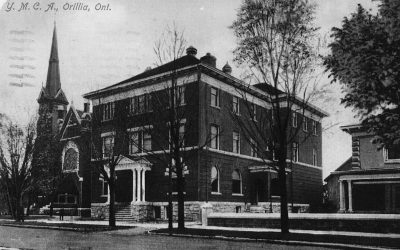
What We Have Lost
What We Have Lost By David TownAs we approach the one-year anniversary of the YMCA closing in Orillia, I think it is insightful to see what the Y did for Orillia from a historical perspective. You never know what you’ve lost ‘til it’s gone. The Y in Orillia, as...
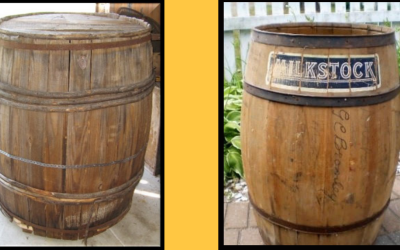
Sound as a Barrel
by Ellen Blaubergs, Volunteer, Coldwater Canadiana Heritage Museum There are numerous interesting “works in progress” involving artifacts at the Coldwater Canadiana Heritage Museum, including two wooden barrels once used to transport ceramics. Both are in...
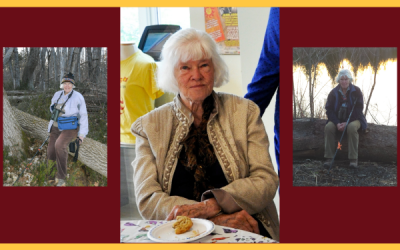
Happy Birthday to Dr. Nancy Ironside!
Happy Birthday to Dr. Nancy Ironside! In honour of her birthday on July 24, we pay tribute to Nancy Retired physician and anesthesiologist, environmentalist, naturalist and... To many, Dr. Nancy Ironside needs no introduction. Without fanfare, Nancy has made a huge...
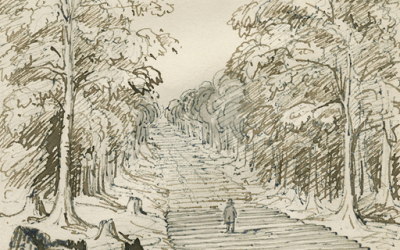
Two Horse Rides from Orillia to Coldwater
Corduroy Road Over a Swamp in Orillia Township, Ontario Ware, Titus Hibbert, 1810-1890 Picture, 1844, English Pen & brown & blue inks, grey wash, over pencil. Toronto Public Library Digital Archive, in the Public DomainBy Fred Blair Jacob Gill and his...
Community Difference-Maker: Erin Dixon and the Gojijing Roundtable
Community Difference-Maker: Erin Dixon and the Gojijing Roundtable Three thousand years ago, Orillia was populated by the Wendat or Huron people, whose settlement extended all around Lake Couchiching, which they called Gojijing. As colonizers arrived, the lives of...
Andrew Borland, War of 1812 Veteran
By Fred Blair On June 18, 1812, the United States declared war on the British. Many recent American settlers in Upper Canada, like the Borlands, had to consider where their loyalties lay. By law, all the males between 16 and 60 in the province were required to serve...
Thomson Family: John Thomson
By Trish Crowe-Grande, Chair OMAH History CommitteeThe Thomsons, one of Orillia’s influential founding families, rose in prominence in the early days when lumbering was the big industry and dominated the commercial life of the community.Born in Scotland in 1831, John...
Happy Birthday Franklin Carmichael!
Introduction Happy 131st Birthday, Franklin Carmichael for May 4th, 2021. Fellow Orillians are on a quest to learn more about you. Carmichael was a Renaissance man: husband, father, teacher, philosopher, artist in oil, watercolour and graphite, designer of book...
Sue Mulcahy – 100 Years Young!
Happy Birthday Sue! Lucille (Sue) Mulcahy, stalwart member of our community, turns 100 on March 14th! OMAH and Lakehead University join together to honour Sue and to celebrate her many accomplishments and contributions over those years, that have so enriched...
Past Pandemics : How They Have Shaped Us
The current Covid-19 pandemic has caused unprecedented changes in social interaction and commerce. With all the changes resulting from self-isolation, social distancing, travel restrictions, reduced shopping trips, increased on-line shopping, working at home and...